
Representatives Gwen Moore (D-WI-04) and David Schweikert (R-AZ-01) have introduced the Tribal Tax and Investment Reform Act of 2026 (TTIRA), bipartisan legislation that would address longstanding inequities in the federal tax code as it applies to federally recognized American Indian and Alaska Native Tribes. Assigned the number H.R. 7705, the bill builds upon previous efforts, including H.R. 8318 introduced last Congress by Representatives Moore and Schweikert, as well as S. 2022, the Senate version of the TTIRA introduced by Senators Cortez Masto (D-NV) and Murkowski (R-AK).
Advancing this legislation has long been a priority for Indian Country, as it would help ensure a level playing field for Tribal governments, businesses, and economies. The introduction of this legislation is a necessary step toward economic sovereignty and self-determination for Tribal Nations.
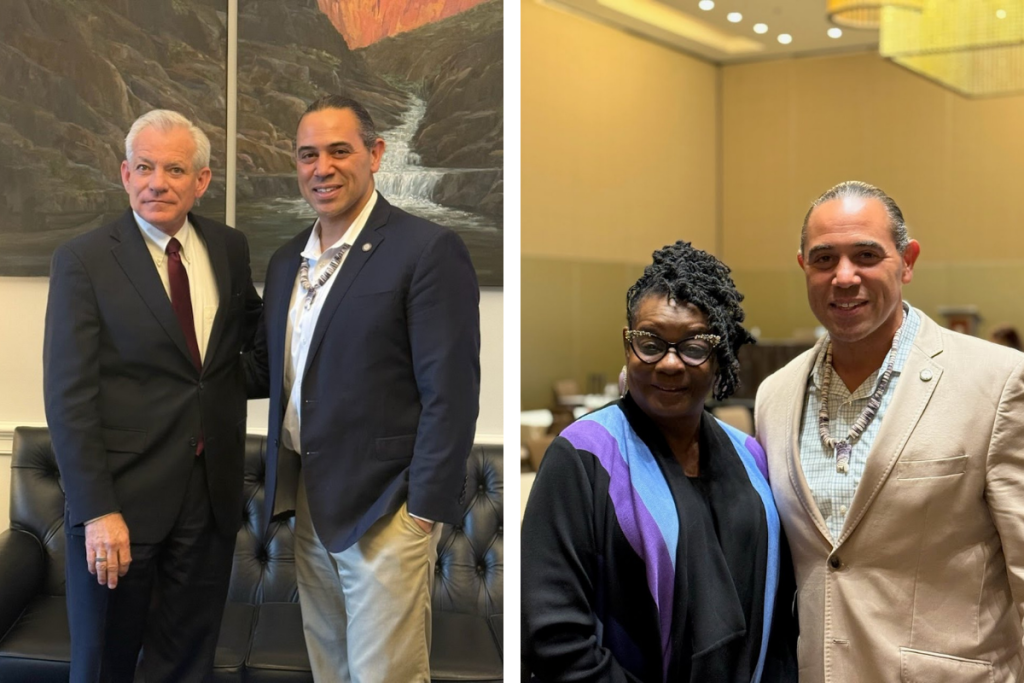
NAFOA Board President Rodney Butler, Chairman of the Mashantucket Pequot Tribal Nation, commented on the bill’s introduction:
“NAFOA welcomes renewed momentum in Congress with the reintroduction of the Tribal Tax and Investment Reform Act in the House. Paired with its Senate companion, S.2022, this legislation updates the federal tax code to better respect Tribal sovereignty, correcting persistent inequities and creating new opportunities for Tribal economic development. We thank Congresswoman Moore and Congressman Schweikert for their bipartisan leadership and urge Congress to act swiftly. This legislation will improve the capacity of Tribal Nations to foster sustainable growth and strengthen infrastructure in their communities as they continue to be drivers of America’s economic progress.“
Key Provisions of the Bill:
- Expand Access to Tax-Exempt Financing: Allow Tribes greater flexibility to issue tax-exempt bonds for a wider variety of governmental and economic development projects, on par with the authority exercised by state and local governments.
- Modernize Tribal Tax Provisions: Update outdated provisions in the tax code to reflect modern Tribal economic realities and governance structures.
- Ensure Parity with Other Governments: Bring Tribal governments closer to parity with state and local governments by ensuring they can utilize key incentives and financing tools necessary for building critical infrastructure, housing, schools, and healthcare facilities.
Like S. 2022, the bill proposes significant improvements to the New Markets Tax Credit (NMTC) and Low-Income Housing Tax Credit (LIHTC) programs by establishing Tribal set-asides and increasing Tribal access and flexibility. In addition, the legislation would eliminate the “essential government function test,” providing parity with states by removing restrictions on Tribal use of tax-exempt bonds. NAFOA looks forward to working with our partners and Membership to advocate for parity and clarity for Tribal Nations as they continue to build robust economies that support Tribal Communities and rural America.
Congressional sponsors highlighted the legislation’s broader significance. Congresswoman Gwen Moore commented on the bill’s introduction:
“The Tribal Tax and Investment Reform Act of 2026 removes unfair hurdles for Tribes to financing economic development projects in Indian Country. The legislation honors tribal sovereignty and our trust obligations by providing parity in the tax code between Tribal governments and state and local governments. It will empower Tribes to address critical economic development needs in Indian Country, such as by supporting the financing of public infrastructure projects and affordable housing. I am proud to partner with my fellow Ways and Means colleague, Rep. David Schweikert, in advancing this important legislation and to work with NAFOA in getting this important legislation enacted.”
NAFOA will continue to engage on this critical legislation. We will provide additional information, including briefing materials and updates on the bill’s progress and anticipated next steps, as it becomes available.
What Does TTIRA Mean for Your Tribe? Join the NAFOA Community Forum
NAFOA’s Community Forum is a secure, members-only space where Tribal leaders, finance professionals, and stakeholders can connect, share experiences, and collaborate on legislative developments, such as the Tribal Tax and Investment Reform Act. Visit forum.nafoa.org to join the conversation.
If you have any questions or need additional information, contact Nicholas Lovesee, Policy Director at nicholas@nafoa.org, or Marisa Joseph, Policy Specialist, at marisa@nafoa.org.

